
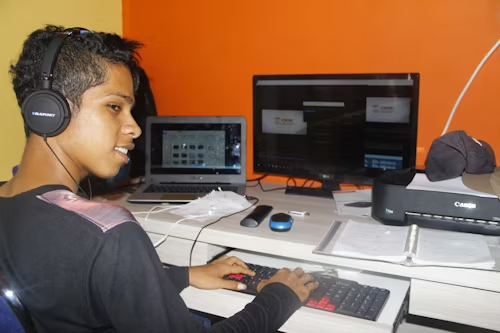

In today’s technology-driven world, digital literacy has become just as important as traditional academic skills. For children growing up in this era, learning to code offers a powerful foundation for understanding how technology works and how digital products are created. This is why more parents are seeking the best Coding classes for kids to help their children develop strong problem-solving abilities, creativity, and confidence. However, with so many programs available—both online and in-person—choosing the right class can feel overwhelming. This guide provides a clear overview of what parents should consider when selecting a coding program that meets their child’s needs.
Why Coding Matters for Kids
Coding is more than typing commands into a computer. It teaches children how to think logically, break down problems, and build something meaningful from scratch. With industries increasingly relying on automation, software, and artificial intelligence, coding has become a valuable skill that opens doors to countless future opportunities.
For kids, learning to code also builds transferable abilities such as:
- Critical thinking
- Creativity and innovation
- Attention to detail
- Teamwork and communication
- Confidence in tackling challenges
Whether or not a child pursues programming in the future, these skills will benefit them academically and professionally.
Understanding the Different Types of Coding Classes
Before selecting a program, parents should understand the range of coding classes designed for various age groups and skill levels. These typically include:
1. Block-Based Coding Programs
Ideal for younger children (ages 5–9), block-based platforms such as Scratch help kids learn programming logic without typing code. These visual tools allow children to drag and connect blocks to create animations, stories, and games.
2. Text-Based Coding Classes
For older kids and teens, text-based programming languages such as Python, JavaScript, or C++ offer a deeper understanding of coding. These courses help children develop real-world programming skills useful for future careers.
3. Robotics and Engineering-Focused Coding
Programs such as LEGO robotics or robotics classes for kids combine coding with hands-on building. This format is excellent for children who enjoy physical activities or engineering concepts. Many parents explore programs like those listed on robotics education websites such as Exceed Robotics to give their children practical, interactive learning.
4. Game Development Classes
Kids who love gaming often enjoy creating their own games. Game development courses use coding concepts to build characters, design levels, and add animations. This option boosts creativity and keeps children highly engaged.
5. Online vs. In-Person Coding Classes
Online classes offer flexibility, while in-person programs provide structured environments and face-to-face interaction. Some centers provide both formats, giving parents multiple options based on learning style and convenience.
Key Factors Parents Should Consider
Choosing a coding class for kids is easier when parents know what to evaluate. Here are essential points to consider:
1. Age-Appropriate Curriculum
Make sure the program matches your child’s developmental level. A good curriculum should focus on fun, engagement, and foundational learning for young kids while offering deeper technical skills for older children.
2. Teaching Method and Instructor Expertise
Quality instructors make a big difference. Look for programs that employ experienced teachers who know how to simplify complex concepts and encourage creativity. The teaching style should be supportive, patient, and interactive.
3. Class Size and Personalized Attention
Smaller class sizes ensure children receive enough one-on-one help, especially when learning new concepts. Personalized guidance helps kids overcome challenges and stay motivated.
4. Hands-On Learning Opportunities
Children learn best by doing. Coding classes that include real projects—such as building games, creating animations, or programming robots—provide practical experience that enhances understanding.
5. Progress Tracking and Feedback
Look for programs that offer parent updates, progress reports, or completed projects. This helps parents monitor learning milestones and see how their child is developing new skills.
6. Program Credibility and Parent Reviews
Reputable coding academies typically share reviews, testimonials, or portfolios of student work. These indicators help parents evaluate program quality and make confident decisions.
7. Flexibility and Scheduling
Busy families need flexible class timings or online options. Consider whether the program offers weekend classes, holiday workshops, or self-paced lessons.
8. Safe and Supportive Learning Environment
Children should feel comfortable asking questions, making mistakes, and experimenting. A positive learning environment boosts confidence and encourages long-term interest in coding.
Advantages of Signing Your Child Up for a Coding Class
When parents choose the right coding class for kids, their children enjoy several long-term advantages:
Improved Problem-Solving Skills
Coding requires breaking down problems into smaller steps and finding solutions. This skill helps children succeed in school subjects like math and science.
Boosted Creativity
Through building games, apps, and digital stories, kids learn to bring ideas to life. Coding encourages imaginative thinking and innovative design.
Enhanced Academic Performance
Studies show that learning to code strengthens memory, logical thinking, and reading comprehension, contributing to improved academic results.
Preparation for Future Careers
As industries increasingly incorporate technology, early exposure to coding gives children a strong foundation for future career paths.
Increased Confidence
Completing coding projects or seeing a robot move based on their code gives children a strong sense of accomplishment, motivating them to explore more challenges.
How to Know If a Coding Class Is Right for Your Child
Parents should observe whether the program:
- Keeps the child engaged and excited
- Offers clear learning outcomes
- Provides age-appropriate content
- Encourages creativity and experimentation
- Shows consistent progress over time
If the child enjoys the activities and feels proud of their work, it’s a strong sign the program is a good fit.
Conclusion
Choosing the right coding class for kids is an important step in helping children build essential skills for the future. By considering factors such as curriculum, instructor quality, class size, hands-on activities, and learning environment, parents can make a confident decision that supports their child’s long-term growth. Whether through robotics, game development, or introductory coding platforms, the right program can inspire curiosity, creativity, and a lifelong love for technology.
Suggestion Topics
Coding Class for Kids: Building Essential Skills for a Digital Future
Why Coding Classes for Kids Are Becoming a Must-Have in Modern Education
How Coding Classes for Kids Inspire Creativity and Problem-Solving
Top Reasons to Enroll Your Child in a Coding Class for Early Tech Learning


